WaveLight Air Towers: Elevating Brand Visibility Across the US in 2026
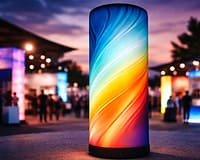
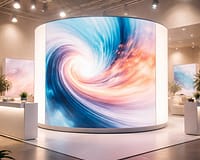
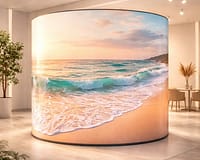
In 2026, brands across the United States are under more pressure than ever to break through crowded, visually noisy environments. From national trade shows and music festivals to retail launches and corporate conferences, marketers need display solutions that are bold, flexible, and easy to deploy. WaveLight Air Towers answer this demand by combining inflatable engineering with powerful backlit LED technology, transforming ordinary spaces into immersive, high-visibility brand stages. These towers are designed to be seen from every angle, ensuring your message stands tall above competing visuals and distractions. Because the units are inflatable and lightweight, teams can transport them easily between events, cutting down on shipping costs and complex installations that historically required specialized labor.
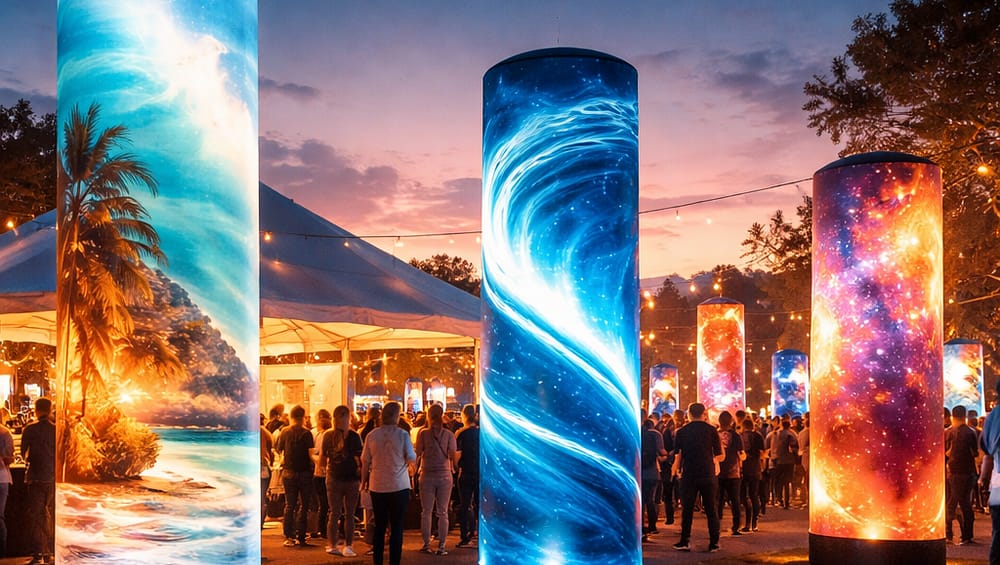
WaveLight Air Towers also excel in environments where lighting conditions are unpredictable. Their internal LED systems evenly illuminate custom-printed graphics, keeping your visuals sharp and legible in bright exhibit halls, dimmed conference rooms, and nighttime outdoor activations alike. This makes them ideal for concerts, sports tailgates, fan zones, food festivals, and experiential roadshows that extend well into the evening. With interchangeable graphic wraps, marketing teams can pivot quickly between campaigns, swapping out designs for seasonal promotions, new product introductions, and localized messaging without purchasing new hardware each time. This not only speeds up campaign deployment but also supports long-term cost savings and more sustainable use of materials.
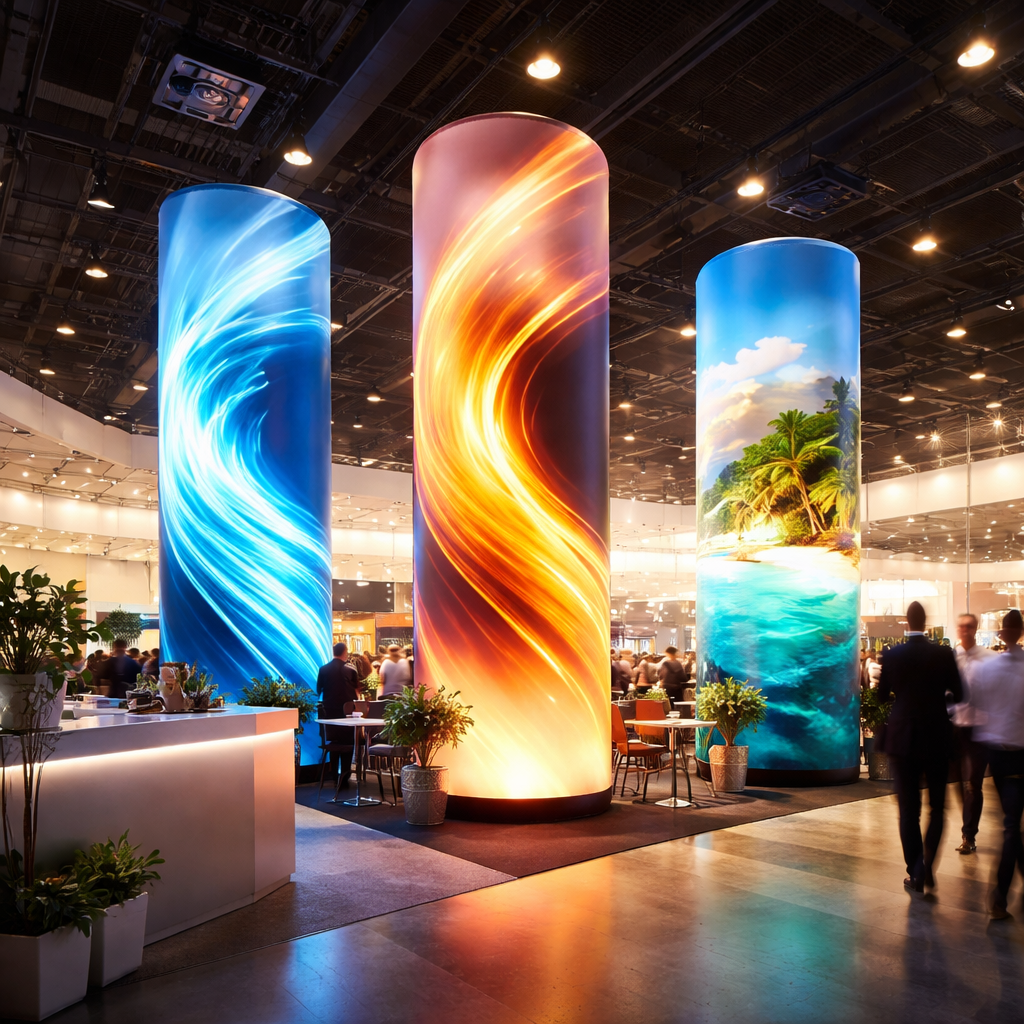
Strategically positioned throughout a venue, WaveLight Air Towers guide attendee flow, serve as wayfinding anchors, and reinforce visual storytelling at every touchpoint. At trade shows, they can be installed at booth corners, aisle intersections, and registration areas to pull attendees toward your exhibit. In retail and pop-up contexts, they highlight new product zones, limited-time offers, or sampling experiences, capturing attention and driving impulse engagement. By integrating scannable elements like QR codes or NFC tags into the tower graphics, brands build a direct bridge between physical presence and digital interaction—driving traffic to landing pages, apps, or social content that extends the relationship beyond the event. For US marketers focused on measurable ROI, this combination of high-impact visibility, campaign agility, and integrated interactivity positions WaveLight Air Towers as a cornerstone of modern event and retail strategies in 2026.
- 360-degree backlit graphics ensure your brand stands out from every viewing angle in busy US venues.
- Tool-free, rapid inflation allows small teams to set up multiple towers in minutes without specialized labor.
- Interchangeable graphic wraps support seasonal campaigns, product launches, and regional targeting without new hardware.
- Lightweight, compact construction significantly reduces shipping, drayage, and storage costs for nationwide events.
- Ideal for trade shows, festivals, retail activations, sports events, and corporate experiences across the United States.
WaveLight Air Towers deliver maximum impact when treated as strategic engagement tools rather than simple decorative pieces. In 2026, US marketing teams increasingly build campaigns around these inflatable backlit towers, planning their creative, placement, and measurement frameworks well before the event goes live. A typical approach begins with defining primary objectives: attracting more booth traffic, improving lead capture, increasing dwell time, or boosting social media mentions. Once the goal is clear, tower graphics can be designed to communicate a concise, compelling value proposition that attendees can absorb in a split second—even while walking by at a distance. Strong color contrast, bold typography, and high-resolution imagery are essential. Many brands incorporate a single, direct call-to-action, such as a QR code leading to a special offer, product demo video, or event-specific landing page, ensuring each tower not only looks impressive but also contributes measurable results.
Placement is equally important. At trade shows, towers work best at high-traffic junctions, booth entrances, and along main aisles where they can act as visual beacons guiding visitors toward your space. For outdoor festivals and sports events, towers positioned at gates, sponsor zones, and concession hubs create consistent brand impressions throughout the attendee journey. Retailers and pop-up organizers use towers near store entrances, endcaps, and checkout lines to reinforce promotions at the exact moments when purchase decisions are made. Because WaveLight Air Towers are quick to set up, teams can experiment with configurations—testing different positions across multiple days or locations and comparing engagement data. Over time, marketers build a powerful playbook that pairs specific tower designs and placements with business outcomes.
Maintenance and sustainability considerations also play a vital role in maximizing return on investment. Event teams who follow manufacturer guidelines on inflation, deflation, cleaning, and storage extend the usable life of their towers, keeping graphics sharp and hardware reliable from one activation to the next. This durability, combined with the reusability of both the inflatable structure and swappable graphics, supports corporate sustainability goals and reduces waste associated with one-off displays. By integrating WaveLight Air Towers into omnichannel campaigns—aligning artwork with digital ads, social content, and e-commerce messaging—brands in the US can ensure audiences experience a coherent story everywhere they interact. In a competitive 2026 landscape, this blend of visual power, logistical efficiency, adaptability, and data-driven optimization makes WaveLight Air Towers a critical asset for any marketer committed to standing out and driving measurable engagement.
Integrating WaveLight Air Towers into experiential campaigns across the United States requires an understanding of how audiences move, behave, and share content in 2026. As consumers have become more accustomed to interactive, photo-friendly environments, brands that invest in visually arresting structures like inflatable backlit towers gain an edge in organic amplification. Attendees frequently use these illuminated displays as backdrops for selfies, group photos, and short-form videos that end up on platforms such as Instagram, TikTok, and LinkedIn. By intentionally designing graphics with social sharing in mind—clean logos, memorable taglines, and campaign hashtags—marketers turn each tower into a micro “content studio.” In addition, placing towers where lighting is most flattering for photos, such as near entryways or lounge areas, subtly encourages user-generated content that extends the campaign far beyond the event footprint.
From an operational standpoint, the portability of WaveLight Air Towers allows US marketing teams to roll out coordinated campaigns across multiple cities without reinventing the physical setup every time. A brand might deploy one set of inflatable backlit towers on a nationwide tour—stopping at conventions, arenas, and retail hubs—while only updating the graphic skins to match local messaging or partner promotions. This repeatable framework keeps creative fresh but stable, helping maintain brand consistency while responding to regional nuances. Logistics teams appreciate the reduced shipping weight and compact packaging, which translate into lower freight charges and easier handling at venues with tight move-in schedules or limited storage space. For agencies and in-house teams managing several clients or product lines, being able to store multiple printed wraps for a standardized set of towers simplifies inventory management and accelerates campaign turnaround.
Measurement remains central to demonstrating value. When brands embed QR codes, NFC tags, or short URLs into the tower artwork, they can track scans, clicks, and subsequent on-site or online actions. Pairing these metrics with booth traffic counts, lead capture figures, and sales data helps clarify how much influence the towers have on outcomes like conversions or sign-ups. Over repeated activations, data patterns often show which creative approaches, offers, and placements produce the highest engagement. This feedback loop informs smarter design and deployment decisions for future events. Ultimately, WaveLight Air Towers function as both a creative canvas and a performance-driven tool, enabling US marketers in 2026 to blend spectacle with strategy. By aligning striking 360-degree visuals, agile messaging, operational efficiency, and analytics-driven refinement, brands unlock a repeatable, scalable way to stand out—and stay top-of-mind—in an increasingly competitive experiential marketplace.
In 2026, the brands winning attention in crowded US markets are the ones turning every square foot of event space into a measurable asset—and WaveLight Air Towers are rapidly becoming one of their most powerful, flexible tools.
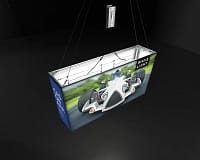
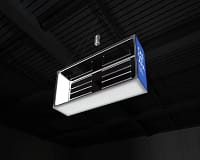
As the US event and retail landscape continues to evolve in 2026, WaveLight Air Towers are playing a pivotal role in how brands conceptualize and execute visibility strategies. Traditional signage and static displays, while still useful, often fall short in dynamic environments where attendees are constantly on the move and attention spans are fleeting. In contrast, inflatable backlit towers introduce motion, light, and scale in a way that naturally draws the eye. Whether used as standalone focal points or as part of a larger ecosystem that includes counters, backwalls, and hanging signs, these structures give marketers a modular toolkit they can adapt to different venue sizes and formats. For example, a brand might deploy a ring of towers around a central activation zone at a festival, creating a glowing perimeter that feels both inviting and exclusive, or line a walkway with towers that progressively tell a product story as visitors approach a main booth.
Cross-channel consistency is another important benefit. When the artwork on WaveLight Air Towers echoes the creative used in digital ads, email campaigns, and social media promotions, attendees experience immediate recognition upon arrival at a physical event. This continuity reinforces messaging and helps convert pre-event interest into on-site engagement. Brands can even schedule content releases to mirror where and when towers appear—for instance, launching geotargeted ads near a convention center or stadium while towers are live on the ground. In retail environments, the same logic applies: shoppers who have seen a campaign online instantly connect it to the illuminated structures highlighting promotions in-store, shortening the path from awareness to purchase. Such cohesive storytelling is especially valuable in the US market, where consumers are bombarded with fragmented messages across multiple channels every day.
Looking ahead, WaveLight Air Towers also position brands to experiment with emerging technologies. While the core product focuses on illuminated graphics and inflatable construction, marketers can layer in interactive components like proximity-based notifications, AR filters triggered by QR codes, or gamified scavenger hunts that use towers as checkpoints. As data privacy regulations and consumer expectations evolve, these experiences can be designed to offer clear value—exclusive content, discounts, or VIP access—in exchange for participation. This makes each tower more than just a branding surface; it becomes a gateway to deeper, more personal engagement. By embracing the full potential of WaveLight Air Towers—visual dominance, logistical efficiency, campaign agility, and technology integration—US brands in 2026 can build experiential programs that are not only memorable, but also measurably effective and future-ready.