WaveLight Air Towers: Redefining U.S. Event Marketing in 2026
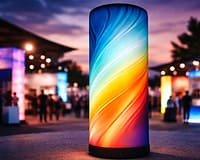
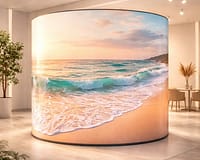
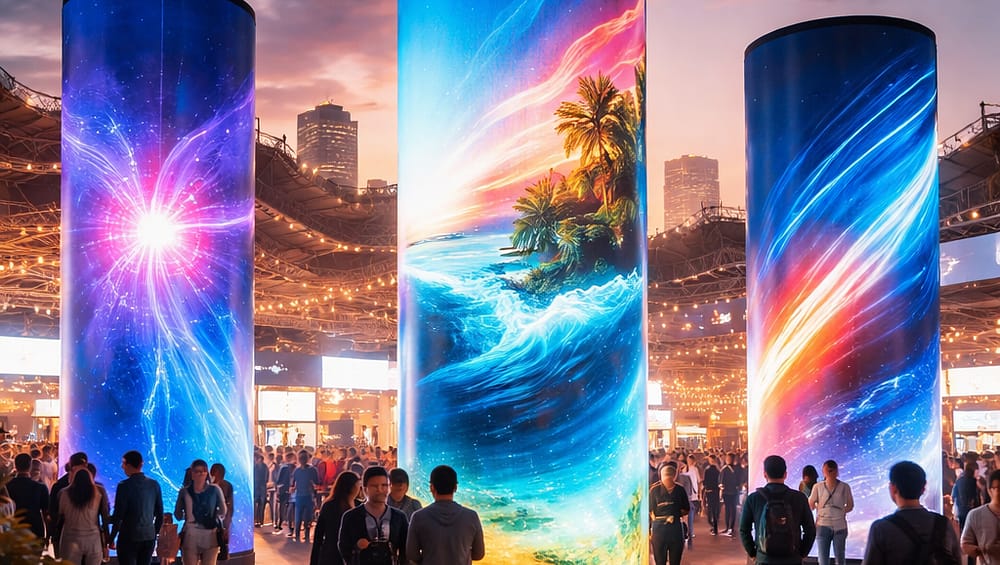
In 2026, event marketing in the United States is undergoing a significant shift, and WaveLight Air Towers are emerging as one of the most effective tools for brands that want to stand out in crowded venues. These inflatable, backlit towers introduce a powerful blend of portability, visual impact, and 360-degree branding that traditional signage struggles to match. At trade shows, festivals, corporate conferences, and sporting events, marketers face the challenge of cutting through visual clutter while staying on budget and meeting sustainability goals. WaveLight Air Towers address these challenges by combining brilliant internal illumination, lightweight construction, and reusable hardware that can travel from city to city with ease. Their glowing tension-fabric graphics transform simple vertical structures into towering beacons that are visible from across a show floor or arena concourse. Because the graphics wrap around the entire surface, brands are not limited to a single viewing angle; instead, audiences moving in any direction can see logos, taglines, product imagery, and calls to action. This makes the towers especially valuable in open-floor environments where attendees circulate freely and attention is constantly shifting. The internal lighting systems, typically LED-based, ensure that messages are visible in both brightly lit convention centers and dim evening environments, extending exposure time far beyond what non-illuminated signs can provide. Moreover, U.S. marketers in 2026 are increasingly concerned with measurability and integration with digital campaigns. WaveLight Air Towers support this by incorporating QR codes, NFC tags, and short URLs directly into the printed artwork, turning each physical impression into a potential digital touchpoint. When deployed strategically at decision points such as entrances, intersections, and registration areas, these towers act as navigational landmarks, brand amplifiers, and engagement triggers all at once. In a landscape where experiential marketing is closely tied to data-driven results, WaveLight Air Towers provide a flexible, high-impact, and cost-effective medium that helps brands convert fleeting attention into lasting customer relationships.
- Dramatic 360-degree visibility in crowded U.S. event environments, from convention centers to outdoor festivals.
- Internal LED backlighting that keeps branding and messages visible day and night, even in low-light venues.
- Lightweight, inflatable construction that packs into compact cases, reducing shipping, storage, and labor costs.
- Reusable frames with interchangeable fabric graphics that can be refreshed for different campaigns or regional tours.
- Compatibility with digital engagement tactics via integrated QR codes, NFC tags, and trackable URLs printed on the towers.
WaveLight Air Towers function as a next-generation alternative to rigid boards, hanging banners, and heavy truss-based signage that has historically dominated U.S. trade shows and sponsored events. Instead of relying on bulky, fragile materials that require specialized installation crews and complex rigging, event teams can simply unpack these inflatable structures, connect an internal blower or pump, and watch them rise into place within minutes. This fast deployment is especially valuable in 2026, when event schedules are tight and venues often impose strict move-in and move-out windows. Operational efficiency directly influences the bottom line by reducing overtime labor, shipping surcharges, and storage fees between events. At the same time, the visual performance of WaveLight Air Towers is enhanced by modern digital printing technologies. Full-color dye-sublimation output delivers sharp imagery and accurate brand colors across the entire 360-degree surface, allowing marketers to build layered compositions that combine hero product photos, bold typography, directional arrows, and promotional messaging. Because every inch of the tower can be branded, marketers gain more usable real estate than with many conventional signs. Sustainability is another critical factor for U.S. brands in 2026, and these towers support greener event strategies in several ways. The inflatable hardware is designed for long life cycles, so it can be reused across multiple tours or annual events rather than discarded after a single show. Many fabric graphics can be produced with eco-conscious inks on recyclable materials, reducing waste associated with single-use foam-core and PVC signage. LED lighting further cuts power consumption in venues that are increasingly focused on energy efficiency. From a strategic perspective, marketers can treat WaveLight Air Towers as key touchpoints in integrated campaigns. By positioning them at entrances, main aisles, and high-traffic intersections, brands create illuminated wayfinding and storytelling anchors that guide attendees through the experience while repeatedly reinforcing core messages. When visitors scan an embedded QR code or tap an NFC tag, they can be directed to landing pages, lead forms, or limited-time offers, transforming passive viewing into trackable engagement that feeds directly into CRM systems and marketing analytics.
At U.S. events in 2026, the most effective use of Inflatable backlit towers goes beyond simple logo displays and embraces a holistic storytelling approach that carries attendees from first impression to post-event follow-up. Event marketers can start by designing tower graphics that mirror the visual language of broader campaigns, including digital ads, social media creative, and on-site presentations. Consistent colors, typography, and imagery make it easier for visitors to connect what they see in the physical venue with what they encountered online before attending. Within that cohesive framework, each tower can be assigned a specific role: one might introduce the overall brand promise, another could spotlight a flagship product or service, and a third might focus on a promotional offer or contest. By printing scannable QR codes and short, memorable URLs at eye level, marketers give attendees a low-friction path to access more details, schedule demos, or sign up for newsletters. These interactive elements can be tied to UTM-tagged links, allowing teams to trace conversions back to particular events, tower locations, or creative variations. Placement strategy is just as important as design. Towers positioned at entrances create a strong first impression and immediately cue attendees that a brand is a major presence at the event. Units placed along main aisles or near food courts and lounges capture traffic during dwell times, when visitors are more open to exploring content. Inside a booth or activation zone, smaller towers can act as illuminated markers for demo stations, VR experiences, or sampling areas, helping staff manage flow and preventing bottlenecks. Over time, marketers can refine their approach using observed behavior and analytics, testing different calls to action, imagery, or tower heights to see which combinations drive the highest engagement rates. Since the hardware is reusable and graphics are relatively easy to swap, it is feasible to update creative frequently to align with seasonal promotions, product launches, or regional preferences across the U.S. As inflatable backlit technology evolves, integrations with sensors and responsive lighting will enable even more sophisticated experiences, allowing towers to pulse, shift color, or display dynamic patterns in sync with presentations, music, or real-time data. Brands that invest early in these capabilities will be well positioned to turn WaveLight Air Towers into a cornerstone of experiential strategies that are immersive, measurable, and sustainably executed.
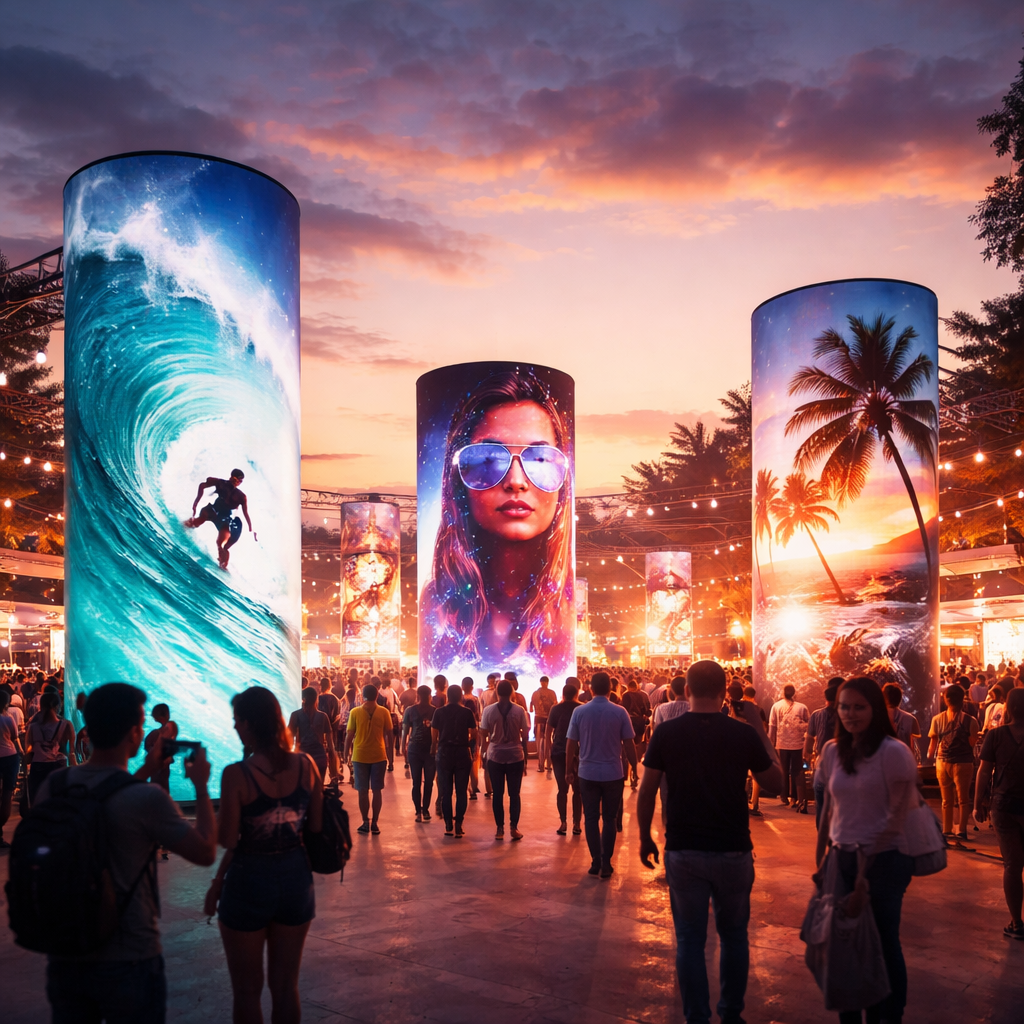
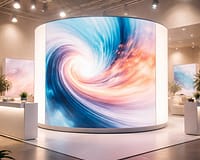
For U.S. event professionals mapping out their 2026 marketing calendars, WaveLight Air Towers offer a versatile platform that bridges creative expression and operational practicality. Planning begins with a clear understanding of the event journey: where attendees enter, where they pause, and where key decisions or conversions are likely to occur. By overlaying this journey on the event floor plan, marketers can determine the most strategic tower placements to guide flow and maximize exposure. At a trade show, towers might flank the main booth to extend brand presence into neighboring aisles, while additional units stationed at registration or lounge areas remind attendees to visit the exhibit. At festivals and stadium events, tall illuminated towers can mark entrances, sponsor zones, and fan engagement areas, ensuring that sponsor logos and messages remain visible from a distance amid crowds and competing visuals. When selecting tower shapes and sizes, brands can align form with function. Cylindrical designs are ideal for central locations where people circulate around all sides, while square or rectangular columns work well against walls or in corners where straight edges can echo architectural lines. Heights ranging from 6 to 16 feet allow marketers to calibrate impact relative to ceiling clearance and line of sight constraints in different U.S. venues. Creative teams should design artwork with readability in mind, using high-contrast color combinations and bold, legible fonts that stand out under both natural and artificial lighting. Because the towers are internally lit, darker backgrounds with bright text or logos often perform especially well. Calls to action should be concise and positioned at natural viewing heights, typically between waist and head level. To maximize return on investment, brands can treat towers as modular assets that travel with their roadshow kits. After each event, teams can review performance data, including scan rates for QR codes, lead volume tied to unique URLs, and anecdotal feedback from booth staff about questions or comments triggered by the graphics. These insights feed into iterative design improvements for upcoming events. Over multiple cycles, the same set of inflatable frames can support a rotating library of graphics tailored to specific regions, industries, or vertical markets, minimizing waste and spreading hardware costs over years rather than months. As venues, sponsors, and attendees continue to prioritize sustainability and experience quality, WaveLight Air Towers stand out as a medium that can evolve alongside expectations, delivering memorable, illuminated brand experiences that are both efficient to deploy and straightforward to measure.
Looking beyond 2026, the role of WaveLight Air Towers and similar Inflatable signage in U.S. event marketing is poised to grow as technology and expectations converge around more immersive, interactive environments. As digital printing continues to advance, we can expect even higher resolutions, richer color gamuts, and specialty finishes that mimic textures or create subtle dimensional effects on fabric surfaces. At the same time, lighting control systems are evolving from simple on/off functionality to programmable, app-based interfaces that allow marketers to adjust brightness, color temperature, and animation patterns in real time. This means a tower could shift from a calm, brand-centric glow during general sessions to a dynamic, pulsing sequence that aligns with keynote reveals, product launches, or live performances. Wireless connectivity will further extend possibilities, enabling towers to sync with audio, video, or data feeds throughout the venue. For example, sponsor towers in a sports arena might change color based on in-game events, or conference towers could highlight session transitions by subtly animating as attendees move between breakout rooms. Sensors embedded in or around the towers may one day help capture foot traffic patterns, dwell times, and proximity metrics, offering anonymized behavioral data that complements scan and click-through information. From a strategic standpoint, brands that build a robust playbook for inflatable backlit media now will be better prepared to integrate these emerging capabilities as they become commercially viable. They can experiment with segment-specific messaging, A/B testing different creative variations on multiple towers within the same event, and using real-time dashboards to monitor engagement signals. Lessons learned can inform the design of future campaigns, both physical and digital. In parallel, the sustainability profile of these systems is likely to improve as materials science progresses, with more recyclable fabrics, biodegradable components, and ultra-efficient LEDs becoming standard. Venues and organizers, under pressure to reduce carbon footprints, will increasingly favor partners who deploy reusable, low-impact signage solutions. WaveLight Air Towers fit neatly into this trajectory, offering a blueprint for how branded environments can be simultaneously bold, data-rich, and environmentally responsible. For marketers, the path forward involves treating each tower not just as a static sign, but as an adaptable, measurable touchpoint within a broader ecosystem of experiences that connect live audiences to ongoing digital relationships long after the event ends.