WaveLight Air Towers: Inflatable Backlit Structures Reshaping U.S. Event Marketing in 2025–2026
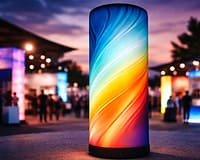
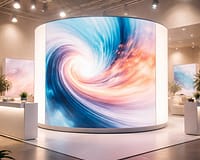
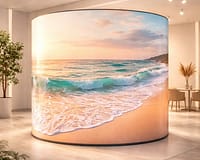
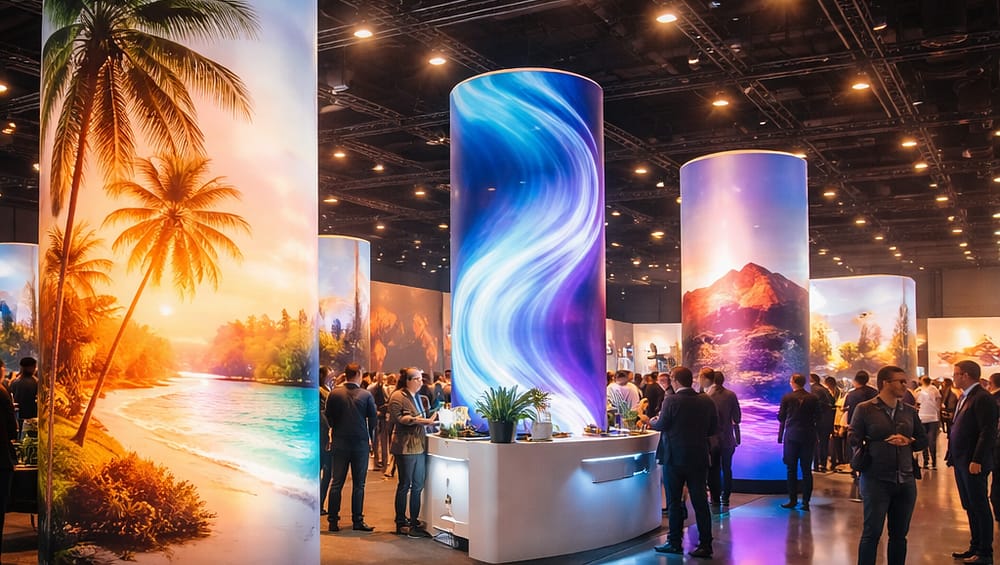
WaveLight Air Towers are emerging as one of the most striking visual tools in the evolving landscape of event marketing in the United States. These inflatable backlit towers, powered by efficient LED systems and designed for rapid deployment, are increasingly seen at trade shows, music festivals, retail activations and sports events. As event marketing spend in the U.S. is projected to cross $100 billion in 2026, brands are under pressure to stand out while staying agile and cost-conscious. WaveLight Air Towers fit neatly into this equation: they are lightweight, portable, reusable and customisable, enabling marketers to create premium visual impact without the heavy logistics associated with traditional hard signage or truss-based lighting structures. For many brands, the combination of instant illumination and towering presence delivers the kind of photogenic backdrop that fuels social media content and enhances on-ground recall.
- Highly portable and compact, allowing transport in a standard car boot or small van for multi-city campaigns.
- Rapid installation and dismantling, often within minutes, reducing labour costs and venue set-up time.
- Backlit LED technology that ensures vivid graphics, strong night-time visibility and lower power consumption.
- Customisable printed skins, enabling frequent rebranding for different campaigns, sponsors or product launches.
- Reusable, durable construction that aligns with sustainability goals and reduces waste compared to single-use banners.
In practical terms, WaveLight Air Towers are solving a set of long-standing pain points for American event planners. Conventional signage and display infrastructure often requires multiple vendors, heavy rigging equipment and extended installation windows. By contrast, inflatable backlit banners can be shipped flat-packed, carried by one or two people and inflated on-site with minimal technical skill. This efficiency directly addresses two critical constraints frequently cited by U.S. marketers: budget and logistics. When a single display element can be deployed at a corporate conference in Las Vegas one week and then repurposed at a college sports event in the Midwest the next, the return on investment becomes compelling. The towers’ height and illumination also cater to the “Instagram moment” mentality, where attendees seek visually distinctive backgrounds for photos and videos, organically amplifying the brand’s presence online. Rising energy efficiency in LED systems is adding another layer of appeal. With lower power draw and brighter, more consistent illumination, the latest WaveLight-style towers can operate comfortably in indoor exhibition halls as well as outdoor night events, often running on modest power sources or integrated adapters. Print quality is also advancing, with dye-sublimation fabrics and UV-stable inks helping maintain colour fidelity under intense lighting. For Indian manufacturers, these technical shifts create both a challenge and an opening: to be competitive in the U.S., products must combine robust engineering, UL-compliant electricals, flame-retardant fabrics and high-end printing. Those that succeed can tap into a growing market segment where American brands are actively seeking reliable offshore partners who can deliver consistent quality at scale.
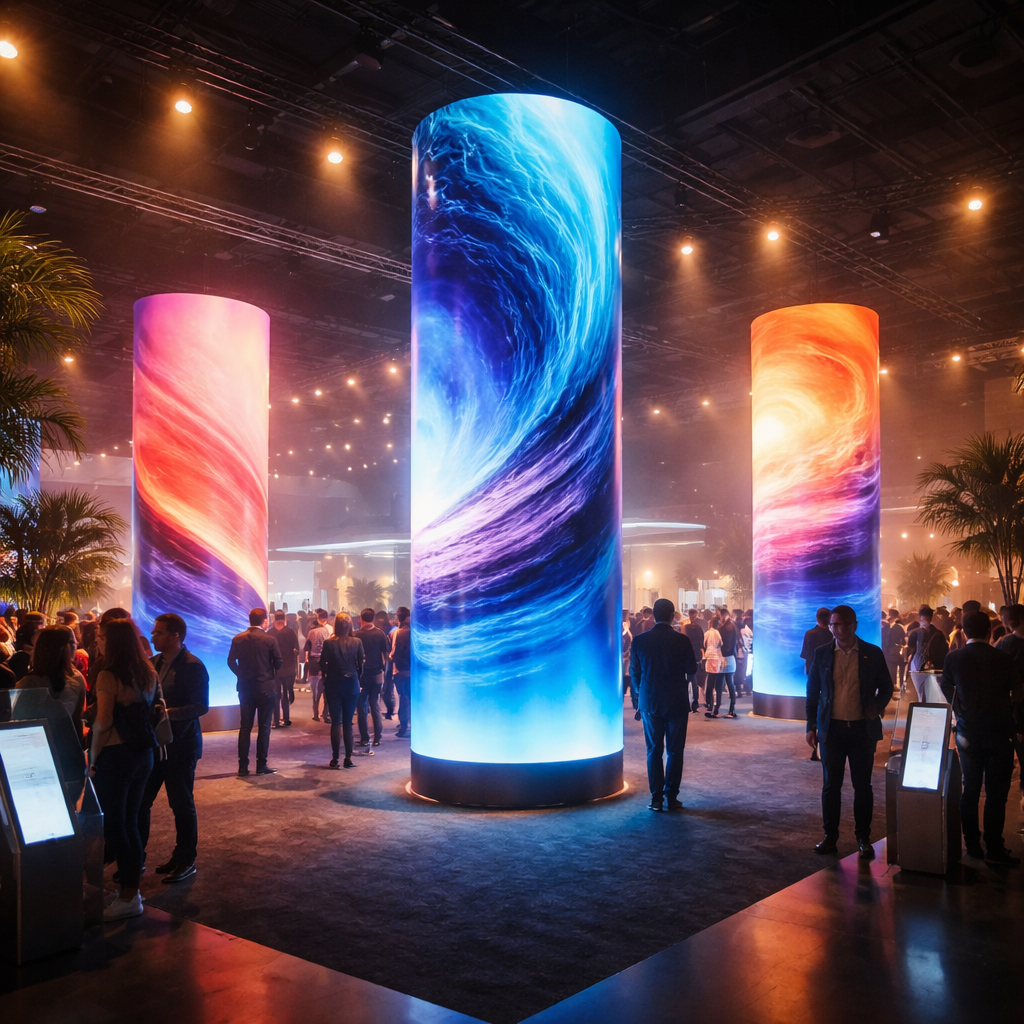
From the vantage point of 2025–2026, WaveLight Air Towers embody a broader shift towards flexible, experience-driven marketing in the United States. Brands are no longer satisfied with static backdrops; they want immersive zones that can be deployed quickly, scaled across cities and refreshed for new campaigns without rebuilding from scratch. Inflatable signage, with interchangeable graphic sleeves, meet this demand by turning a single hardware base into a multi-brand, multi-event asset. At trade fairs, towers are being used as vertical beacons to guide visitors through crowded aisles, while at music festivals they double up as sponsor-branded landmarks and wayfinding cues. Retailers are experimenting with smaller-format inflatable columns at mall activations and pop-up stores, particularly where floor space is tight but vertical visibility is critical. The U.S. market is also sharpening its focus on safety and sustainability. Venue operators are insisting on fire-retardant certifications, secure anchoring systems and low-noise blowers, especially for indoor events. At the same time, corporate ESG commitments are prompting procurement teams to ask whether displays are reusable, repairable and energy-efficient. For Indian suppliers aiming to court U.S. agencies and brands, aligning with these expectations is non-negotiable. This means investing in quality control, documented compliance with American standards, and robust after-sales support. It also means understanding the visual language of U.S. events—bold, photo-ready, consistent with brand guidelines—and offering design consultation in addition to manufacturing. As adoption of inflatable backlit towers rises, the opportunity is likely to extend beyond direct sales into rental partnerships with U.S. event production firms, opening a recurring revenue channel for Indian exporters who can reliably meet timelines and specifications.
“As U.S. marketers juggle rising event costs and the demand for high-impact visuals, inflatable backlit towers are emerging as a rare solution that is simultaneously eye-catching, portable and cost-efficient.”
For Indian manufacturers and suppliers, WaveLight-style Air Towers represent more than just another export SKU; they signal an entry point into the premium end of the global experiential marketing ecosystem. Servicing U.S. demand will require a combination of design sensitivity, engineering rigour and operational discipline. On the design front, suppliers must be ready to handle custom shapes, variable heights and complex graphic layouts that accommodate brand guidelines and sponsor logos. Engineering-wise, attention to seam strength, air retention, quiet blower technology and even light diffusion is crucial, as U.S. agencies are quick to discard products that underperform in real-world environments. Operationally, American clients will expect clear documentation, quick response times and the capacity to support tight event calendars where delivery delays can mean lost revenue. Nonetheless, the upside is substantial. As experiential marketing budgets grow and hybrid physical-digital events become standard, demand for visually striking, modular structures is likely to expand, not contract. Inflatable backlit towers fit neatly into this trajectory: they are inherently scalable, can be used indoors or outdoors, and lend themselves to rentals, pop-ups and tours. For Indian firms willing to invest in certifications, sustainable materials and long-term partnerships with U.S. distributors, the 2025–2026 window could be pivotal. By mastering WaveLight Air Towers today, they position themselves to supply the next generation of illuminated inflatables that will define the visual grammar of American events in the coming decade.