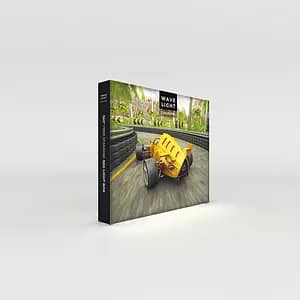
Innovative Strategies Using WaveLight Casonara for Modern Marketing
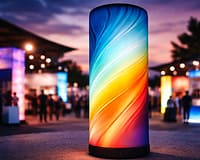
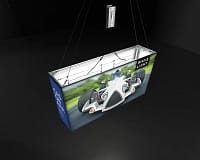
Innovative strategies using WaveLight® Casonara Lightbox for marketing focus on transforming illuminated display solutions and backlit lightboxes into powerful storytelling tools across trade shows, retail environments, and experiential events. WaveLight Casonara’s edge-lit and backlit technology, combined with ultra-thin frames and tension fabric graphics, allows brands to create visually striking installations that cut through ambient noise and visual clutter. In highly competitive show halls or busy retail corridors, the glow and vibrancy of these displays help marketers win the first critical second of attention, which is often the difference between a passing glance and a meaningful interaction. By planning content around clear brand narratives, seasonal campaigns, or product launches, teams can use WaveLight Casonara as the visual anchor for their entire on-site experience. Strategic placement is central to innovation with this system. Positioning lightboxes at entry points, major intersections, and natural pause areas ensures that attendees and shoppers encounter the brand message at the exact moments when they are most receptive. Marketers can design a journey that starts with a bold hero message at a distance, followed by more detailed messaging as the visitor moves closer. This layered approach leverages different sizes and orientations of WaveLight Casonara frames to guide traffic flow and keep engagement high. Another key strategy is the integration of interactive elements directly into the illuminated graphics. By incorporating QR codes, NFC tags, short URLs, and social handles into the lit surfaces, brands can seamlessly bridge the offline and online experience. Attendees can scan to access product demos, AR overlays, exclusive offers, or gated content, providing marketers with measurable engagement data. Because the hardware is modular and reconfigurable, the same WaveLight Casonara kit can be repurposed from a trade show to a pop-up shop to an in-store feature wall with only a change of printed fabric. This flexibility supports continuous experimentation with layouts, messaging, and campaign themes while protecting budget and improving ROI. Over time, marketers can refine their strategies using performance data, turning WaveLight Casonara into a repeatable, scalable asset that supports both brand-building and demand generation across multiple channels.
WaveLight Casonara plays a significant role in contemporary marketing strategies because it delivers consistent, high-impact visual performance while remaining practical from a logistics and budget standpoint. In an era where audiences are inundated with digital content, the physical presence of a bright, immersive lightbox can reset attention and create a memorable moment that complements online touchpoints. Marketers can align the visuals on illuminated display solutions with campaign assets seen on social media, email, and paid advertising, so when attendees encounter the display in person, they immediately recognize the brand message. This visual continuity supports omnichannel storytelling and boosts recall. Deploying WaveLight Casonara effectively starts with insight-driven planning. Marketers should analyze traffic patterns at venues, audience behaviors, and the competitive landscape to determine how many units they need and where to place them. For example, a large hero wall might face the main aisle, while slimmer towers or counters support product-focused messages inside the space. Each surface becomes part of a coordinated narrative, with lighting drawing the eye to priority offers or new launches. The system’s portability and quick setup empower teams to move rapidly between events without sacrificing design quality. From a creative standpoint, success depends on disciplined design choices. Because LED backlighting magnifies every detail, artwork should use high-resolution images, bold typography, and clear focal areas. One primary message per lightbox prevents visual overload, while supporting copy reinforces key benefits or calls to action. Marketers can experiment with color strategies—bright, saturated tones for energetic promotions or darker, cinematic palettes for premium positioning—knowing the LEDs will keep colors vivid. By combining thoughtful design, smart placement, and integrated digital touchpoints, WaveLight Casonara becomes far more than a backdrop; it turns physical spaces into measurable, conversion-focused media channels that support both branding and performance goals.
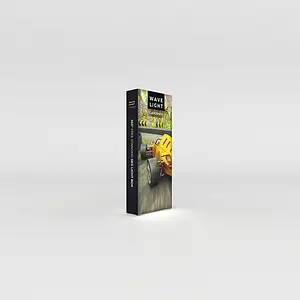
Designing High-Impact Visuals for WaveLight Casonara Lightboxes
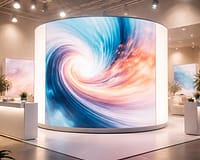
Designing high-impact visuals for WaveLight Casonara lightboxes begins with a clear understanding of how illuminated graphics influence perception, legibility, and emotional response. Because these displays use evenly diffused LED backlighting, every nuance of color, contrast, and detail becomes more pronounced than on non-illuminated signage. This amplification is an advantage when creative is executed well, but it can also expose flaws such as low-resolution images or poorly balanced layouts. To maximize impact, marketers should start with a single, dominant focal point that anchors the viewer’s eye from a distance—often a product hero, a compelling lifestyle image, or a bold headline. Supporting elements must be carefully subordinated so they do not compete for attention. Typography is crucial in this context. Large, sans-serif fonts with strong contrast against the background perform best when seen from trade show aisles or across retail floors. Body copy should be minimal, with just enough information to communicate a value proposition or next step. Designers should avoid thin letterforms or overly tight tracking, as these can become difficult to read under bright backlighting. It is also wise to consider how the composition will appear from multiple angles and distances, ensuring that key information remains legible even when viewers approach from the side or at an angle. Color strategy can significantly shape the overall effect of a WaveLight Casonara installation. Bright, high-saturation colors attract immediate attention and are ideal for promotions, new product announcements, and experiential activations where energy and excitement are desired. In contrast, deeper tones and gradients with strategic highlights can produce a premium, cinematic atmosphere suited for luxury goods or corporate branding. Designers should test artwork in simulated lighting conditions to confirm that colors output from the printer align with on-screen expectations when backlit. In addition, negative space is an often-overlooked tool; allowing breathing room around key elements increases clarity and visual sophistication. Practical considerations complete the design process. Files should be prepared at appropriate sizes and resolutions for large-format printing, with bleed and safety margins that account for how fabric will stretch over the frame. Critical logos and text must be kept away from edges to avoid distortion. Because WaveLight Casonara frames can be reused, designers should create modular visual systems with interchangeable panels that maintain coherence across different configurations. By balancing aesthetics with technical precision and brand consistency, marketers can ensure that every WaveLight Casonara graphic not only looks impressive but also drives engagement and supports wider campaign objectives.
- Map attendee or shopper traffic patterns to place WaveLight Casonara lightboxes at entrances, intersections, and high-dwell zones.
- Standardize frame sizes where possible so fabric graphics can be swapped easily between campaigns and venues.
- Invest in premium, wrinkle-resistant fabric and high-resolution printing to maximize sharpness under LED backlighting.
- Integrate QR codes, NFC tags, or custom URLs into illuminated graphics to connect on-site engagement with digital tracking.
- Train staff on assembly and troubleshooting so lightboxes can be deployed quickly and consistently at each event.
Integrating WaveLight Casonara into Omnichannel Campaigns
Integrating WaveLight Casonara into omnichannel campaigns enables marketers to turn physical spaces into extensions of their digital ecosystems. Rather than treating illuminated lightboxes as isolated event assets, brands can align them with broader initiatives across paid, owned, and earned media. A product launch, for example, might feature a hero visual developed first for digital ads and social posts, then adapted for WaveLight Casonara walls, towers, and counters. When prospects see the same imagery and messaging online, in their inbox, and at a trade show or retail store, recognition and trust are reinforced. This visual and thematic continuity helps prospects connect disparate touchpoints into a coherent brand story. WaveLight Casonara displays also serve as valuable data collection and attribution tools when combined with trackable elements. Campaign-specific QR codes, vanity URLs, and promo codes printed on the illuminated graphics allow marketers to measure which events, locations, and messages generate the most engagement. When attendees scan a code on a glowing backdrop to access exclusive content, book a demo, or redeem an offer, those interactions can be tied back to CRM records and marketing automation platforms. This feedback loop makes it easier to justify investment in physical displays by linking them directly to pipeline and revenue outcomes. Additionally, WaveLight Casonara can power content marketing strategies at the event level. Once visitors are drawn in by the illuminated presence, staff can invite them to participate in live demos, workshops, or interactive experiences. Sign-up forms for newsletters, webinars, or loyalty programs can be positioned nearby, ensuring that the initial visual attraction leads to permission-based, ongoing communication. After the event, marketing teams can nurture these contacts via email sequences, retargeting ads, and personalized offers that reference the event experience, reinforcing the memory of the striking lightbox environment. Retail environments benefit from similar integration. In-store WaveLight Casonara displays can mirror visuals from current online campaigns, making it easier for customers who discovered the brand digitally to navigate product assortments in person. For instance, a social campaign highlighting a new collection can be echoed by an illuminated feature wall in-store that showcases the same imagery and messaging, supported by shelf-level signage and mobile landing pages. Over time, marketers can experiment with A/B testing different artwork or calls to action across locations, then analyze results to refine their omnichannel strategy. By viewing WaveLight Casonara as a dynamic, measurable component of the marketing mix, brands can bridge the gap between digital and physical, elevate customer experiences, and drive more consistent performance across all channels.
Practical Deployment Tips and ROI Considerations for WaveLight Casonara
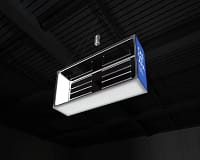
Practical deployment of WaveLight Casonara lightboxes requires attention to planning, operations, and long-term return on investment. Before committing to specific configurations, marketers should analyze the types of environments they will most frequently use—such as trade shows, pop-up events, or permanent retail installations—and select frames that can adapt to each scenario. Modular designs are particularly valuable because they allow teams to create different footprints using the same core components. For example, a set of straight walls used as a backlit backdrop at a large expo can be reassembled as a smaller island or U-shaped configuration for a regional event, simply by rearranging frames and updating fabric graphics. This scalability reduces capital expenditure while maintaining a consistent, professional appearance. Logistics planning is another crucial element. WaveLight Casonara systems are designed for relatively quick assembly, but efficiency still depends on clear processes and trained staff. Event teams should document step-by-step setup instructions, label components, and conduct practice builds before major shows to minimize onsite surprises. Keeping spare LED strips, power supplies, and connectors on hand helps ensure that any technical issues can be resolved without compromising the display. Protective cases and organized packing methods extend the life of the hardware and prevent damage during frequent transport. Budgeting and ROI analysis should extend beyond initial purchase costs to include shipping, storage, labor, and graphic refresh cycles. Because fabric graphics are relatively inexpensive compared with frames, brands can update messaging frequently—aligning with seasonal promotions, product releases, or campaign themes—while reusing the same illuminated structures for years. Marketers can estimate ROI by tracking metrics such as booth traffic, lead volume, scan rates on QR codes, and conversion rates from event-generated contacts. Over time, comparing performance from environments with WaveLight Casonara to those with non-illuminated signage can reveal the incremental impact of backlit displays on both engagement and revenue. Sustainability considerations also factor into deployment decisions. LED-based systems like custom lightbox designs are more energy efficient than traditional light sources, helping brands reduce their power footprint without sacrificing brightness. When selecting printing partners and materials, marketers can opt for eco-conscious fabrics and inks, aligning physical marketing assets with broader corporate responsibility goals. Finally, maintaining a content refresh calendar ensures that the visual story stays current. Outdated imagery or irrelevant promotions can diminish the perceived value of even the most impressive hardware. By treating WaveLight Casonara as an ongoing media channel—subject to the same strategic planning, testing, and optimization as digital campaigns—brands can maximize both short-term impact and long-term equity from their illuminated display investments.
WaveLight Casonara’s role in modern marketing extends far beyond simple illumination; it offers a structured, flexible platform for creating immersive, high-impact brand environments that dovetail seamlessly with digital strategies. In trade show halls, these edge-lit and backlit lightboxes act as visual beacons that draw attendees from across the floor, then guide them through a carefully choreographed journey of discovery using layered messaging and strategically placed frames. In retail settings, WaveLight Casonara can transform standard merchandising areas into dynamic feature zones that highlight new collections, seasonal promotions, or hero products, all while maintaining a cohesive look that echoes online campaigns. Experiential and pop-up events benefit from the system’s portability and ease of assembly, enabling teams to create premium, photo-worthy installations in a matter of hours rather than days. From a strategic perspective, marketers who succeed with WaveLight Casonara tend to treat it as a long-term asset rather than a one-off expense. They standardize frame sizes, build modular layouts, and design graphic systems that remain flexible enough to handle frequent updates in messaging. These teams also integrate measurement from the outset, embedding trackable codes, URLs, and digital touchpoints into their illuminated graphics so that every interaction contributes to a richer understanding of customer behavior. As they analyze results over multiple deployments, they refine creative, placement, and offers to steadily improve performance. This iterative approach turns physical displays into a data-informed marketing channel akin to digital advertising. Ultimately, 360 backlit Exhibition Signage helps bridge the gap between the physical and digital worlds, giving brands a powerful way to stand out in crowded spaces while feeding valuable engagement data back into their marketing stack. When paired with thoughtful creative, smart logistics, and a commitment to ongoing optimization, these illuminated display solutions become not just attention-grabbing décor but a core component of an integrated marketing strategy that drives visibility, engagement, and measurable business outcomes.