The Evolution of Lightbox Design: WaveLight® Casonara Explained
Lightbox design has undergone a significant transformation over the past several decades, evolving from simple illuminated boxes into sophisticated, high-impact visual communication tools. The story begins with fluorescent lightboxes, which were once the standard for retail displays, movie posters, and wayfinding signage. These units were functional but far from ideal: they relied on bulky frames, fragile tubes, and often produced uneven illumination with hotspots and shadowed areas. Maintenance was frequent, energy consumption was high, and the design options were limited, especially for brands seeking sleek, modern aesthetics. As visual merchandising became more strategic and competitive, demand grew for displays that were not only brighter and more consistent, but also slimmer, lighter, and more adaptable to different environments. The introduction of LED technology marked a major turning point in this evolution. LEDs enabled designers to dramatically reduce the depth and weight of lightboxes while increasing brightness and uniformity. With LEDs, manufacturers could create both edge-lit and backlit systems, each offering different advantages in terms of installation, viewing distance, and graphic impact. These breakthroughs paved the way for tension fabric lightboxes, where high-resolution dye-sublimated graphics are stretched over aluminum frames to deliver seamless imagery without glare or visible seams. Within this ongoing evolution, the WaveLight® Casonara Lightbox represents a new benchmark. It combines advanced LED backlighting, tension fabric graphics, and modular engineering into a single, integrated system designed for trade shows, retail environments, and branded interiors. With ultra-bright, even illumination from edge to edge, the Casonara stands apart from older edge-lit systems that can struggle to maintain uniformity over large surfaces. Its 360-degree backlit construction allows messaging and visuals to be seen from multiple angles, enhancing visibility and engagement. For marketers, retailers, and exhibit designers, WaveLight® Casonara exemplifies the latest stage in lightbox evolution, delivering both high-end aesthetics and practical, real-world benefits that support modern brand storytelling.
From the earliest fluorescent-lit boxes to today’s advanced fabric lightbox systems, the purpose of illuminated displays has remained the same: attract attention, communicate messages quickly, and reinforce brand identity in physical spaces. What has changed dramatically is how efficiently and effectively these goals can be achieved. Traditional fluorescent lightboxes required deep metal housings and bulky diffusers to reduce hotspots, yet still often failed to produce consistent illumination. They generated heat, consumed substantial energy, and demanded regular tube replacements. Over time, these limitations made them less suitable for fast-paced retail and exhibition environments, where flexibility, reliability, and operating costs are critical considerations. The widespread adoption of LEDs transformed this landscape. Because LEDs are compact, durable, and highly energy-efficient, they enabled manufacturers to develop thinner, lighter frames without sacrificing brightness. LEDs also opened the door to more innovative configurations, including side-mounted edge lighting and full-panel backlighting. Edge-lit designs positioned LEDs along the perimeter of the frame, allowing light to spread across a diffuser panel, while backlit systems placed LEDs directly behind the graphic for maximum punch and saturation. Simultaneously, advances in printing technology, especially dye-sublimation on fabric, allowed for richly colored, high-resolution graphics that maintain their vibrancy even when intensely lit. Fabric lightboxes deliver a soft, sophisticated appearance, free of the reflections and glare commonly associated with rigid graphic substrates. They also simplify logistics: fabric graphics are lightweight, foldable, and easy to ship, which is especially important for trade show exhibitors and multi-location retailers. As marketing needs evolved, modular lightbox systems emerged, allowing brands to reconfigure displays, change out graphics quickly, and scale their presence up or down as needed. This combination of LED technology, tension fabric, and modular engineering set the stage for products like the WaveLight® Casonara, which elevate lightbox design from a simple illuminated panel to a fully integrated, experiential branding tool that can anchor an entire environment.
WaveLight® Casonara: A New Benchmark in LED Fabric Lightboxes
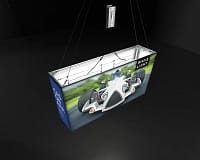
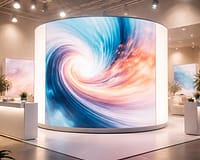
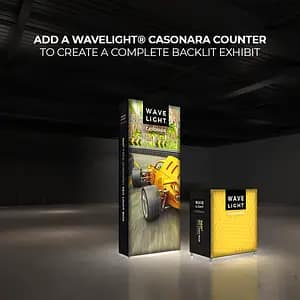
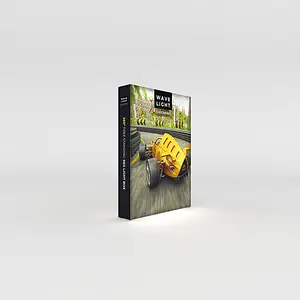
The WaveLight® Casonara Lightbox is designed to build on every major development in modern lightbox technology, offering an advanced solution for brands that demand both visual impact and operational efficiency. At its core, Casonara uses a 360-degree backlit construction, positioning LED modules behind the tension fabric graphics to ensure even illumination across the entire surface. This approach avoids the common pitfalls of older edge-lit systems, particularly on wider or taller displays where achieving uniform brightness can be challenging. The result is a vivid, consistent glow that enhances color saturation and detail, making graphics appear more lifelike and engaging from all viewing angles. This is particularly valuable in busy environments such as trade show floors or retail aisles, where brands compete for attention and every visual edge matters. Casonara’s tension fabric graphics are printed using high-quality dye-sublimation processes, which infuse ink into the fabric rather than sitting on top of it. This creates rich, long-lasting colors that resist fading and look smooth, even under intense LED illumination. Graphics can be finished with zipper or silicone-edge (SEG) treatments, allowing them to be quickly installed or removed without specialised tools. This makes it easy for marketers to update campaigns, seasonal promotions, or product launches without having to replace the underlying hardware. The frames themselves are constructed from lightweight aluminum, engineered to be both durable and portable. Tool-free assembly with intuitive connectors and labeled components simplifies setup, enabling small teams to install complete exhibits or retail features in a short amount of time. This tool-less, modular approach also means that Casonara units can be reconfigured or expanded as branding needs evolve. Another defining advantage of WaveLight® Casonara is the availability of double-sided graphics. With backlit fabric on both faces, the system delivers 360-degree visibility, making it especially effective for island exhibits, mall kiosks, and open retail environments where foot traffic approaches from multiple directions. The integrated LED modules are designed for long service life and low energy consumption, which contributes to a lower total cost of ownership over time compared with older fluorescent or low-quality LED alternatives. By combining bright, even illumination, quick-change graphics, modular frames, and energy efficiency, WaveLight® Casonara has become a preferred solution for brands looking to create immersive, illuminated display solutions that stand out while remaining practical to deploy and maintain.
- Ultra-bright, evenly distributed LED backlighting for consistent illumination across the entire display surface.
- Lightweight, modular aluminum frames engineered for tool-free assembly, transport, and reconfiguration.
- Tension fabric graphics with dye-sublimated printing for vibrant, high-resolution imagery and accurate brand colors.
- Double-sided, 360 backlit Exhibition Signage options that maximise visibility in open spaces and multi-aisle environments.
- Energy-efficient LED modules designed for long lifespans, reduced maintenance, and lower total operating costs.
Applications and Strategic Advantages of Modern Lightboxes
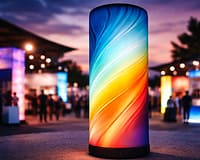
Modern lightbox systems such as WaveLight® Casonara provide a versatile platform that can be tailored to a wide range of commercial and experiential environments. In retail, Casonara units often serve as focal points for window displays, feature walls, and promotional zones. Their bright, even illumination draws the eye and helps anchor visual merchandising stories, whether highlighting a new product line, a seasonal campaign, or a curated lifestyle theme. Because graphics are easy to change, retailers can adapt quickly to shifting trends, promotional calendars, and regional preferences without overhauling their fixtures. The slim, contemporary profile of the frames integrates neatly into store layouts, maintaining a clean, modern aesthetic. At trade shows and exhibitions, WaveLight® Casonara is frequently used to construct backwalls, towers, light columns, and freestanding elements that define an exhibitor’s footprint. The 360-degree backlit capability is especially valuable on crowded show floors, allowing messaging and visuals to be seen from multiple aisles and increasing both booth visibility and brand recall. Exhibitors can combine units of different sizes to create custom configurations that support product demonstrations, meeting spaces, storage, and digital integrations. Because the system is modular and packs down into manageable cases, shipping and storage remain efficient even as the footprint scales up. In corporate, institutional, and public spaces, lightboxes support storytelling and environmental branding. They can transform reception areas, corridors, and lobbies into immersive narratives that communicate a company’s mission, history, or innovation roadmap. Wayfinding graphics illuminated by Casonara systems help direct visitors while reinforcing brand cues through color, typography, and imagery. For airports, museums, and universities, this combination of functional information and branded design contributes to a cohesive, memorable environment. Beyond their immediate visual appeal, modern lightboxes offer strategic advantages in terms of cost and sustainability. Energy-efficient LEDs reduce power consumption and heat output, while durable frames and reusable hardware extend the service life of each installation. Instead of discarding entire displays, organizations can simply update the fabric graphic, which supports more sustainable, circular design practices. When selecting a system like WaveLight® Casonara, businesses should weigh display location, viewing distance, required brightness, single- versus double-sided visibility, and frequency of graphic change-outs. Aligning these factors with marketing objectives helps ensure that the investment in illuminated displays translates into measurable outcomes: increased foot traffic, longer dwell times, and stronger brand engagement.
The Future of Lightbox Design and the Role of WaveLight® Casonara
The future of lightbox design is moving toward deeper integration with digital, interactive, and sustainable technologies, and systems like WaveLight® Casonara are well positioned within this trajectory. As brands continue to blend physical and digital experiences, we can expect more hybrid solutions that combine static backlit fabric graphics with embedded screens, dynamic LED effects, and interactive sensors. These integrations will allow marketers to deliver layered narratives where high-impact, always-on imagery is complemented by targeted, changeable digital content. For example, a Casonara-based feature wall might provide the main visual framework, while smaller screens within or around it display product details, motion graphics, or localized promotions. This hybrid approach maintains the reliability and presence of print while leveraging the adaptability of digital media. At the same time, advances in LED efficiency and control systems are making it possible to fine-tune brightness, color temperature, and power usage. Over time, lightboxes may incorporate smart controls that adjust illumination based on ambient light, time of day, or occupancy, optimising both visual impact and energy consumption. Sustainable materials and circular design principles will also play an increasingly prominent role. Reusable aluminum frames, recyclable fabrics, and low-VOC printing processes align with corporate sustainability goals, while modular construction supports reconfiguration instead of replacement when branding needs evolve. WaveLight® Casonara already mirrors many of these priorities through its reusable hardware, long-life LEDs, and fast-change fabric graphics, which reduce the need for disposable fixtures. Looking ahead, brands that invest in robust, flexible systems like Casonara will be better equipped to adapt to new marketing channels, changing customer expectations, and evolving environmental standards. While technologies will continue to advance, the core value proposition of a well-designed lightbox will remain consistent: delivering reliable, high-impact illumination that supports compelling visual storytelling. Whether deployed in retail, events, or corporate environments, Casonara-style lightboxes form a durable foundation for future enhancements, ensuring that current investments stay relevant as the broader ecosystem of experiential design continues to evolve.
Ultimately, the evolution of lightbox design underscores how physical spaces have become strategic touchpoints in brand communication. What began as simple illuminated boxes has matured into sophisticated systems that merge engineering, print technology, and visual merchandising. The transition from fluorescent tubes to LEDs allowed lightboxes to become thinner, brighter, and more energy-efficient. The rise of tension fabric graphics eliminated glare and seams, enabling immersive imagery at large scales. Modular engineering empowered marketers and exhibitors to transport, assemble, and reconfigure installations with greater ease. Within this continuum, WaveLight® Casonara exemplifies how these advances can be combined into a cohesive, high-performance platform. For retailers, Casonara offers a way to continuously refresh environments while preserving capital investment in hardware. For exhibitors, it provides an adaptable toolkit that can support different booth sizes, layouts, and messaging strategies across multiple events. For corporate and public spaces, it delivers a dependable medium for wayfinding, storytelling, and environmental branding that can evolve alongside the organization’s narrative. Choosing the right lightbox solution now involves more than comparing specifications; it requires aligning display capabilities with strategic goals, from driving foot traffic and dwell time to supporting premium brand positioning. By prioritising uniform illumination, color accuracy, portability, and total cost of ownership, decision-makers can select systems that perform effectively over the long term. As digital and interactive elements become more common, lightboxes like WaveLight® Casonara Lightbox will continue to serve as the backbone of visual environments, providing a consistent, high-impact canvas onto which other technologies can be layered. In this sense, the future of lightbox design is not just about brighter LEDs or thinner frames, but about creating integrated, adaptable ecosystems where print, light, and digital content work together to captivate audiences and deliver measurable business results.