
How to Create Stunning Displays with WaveLight® Casonara Lightbox and Illuminated Display Solutions
How WaveLight® Casonara Lightbox Elevates Illuminated Display Solutions
WaveLight® Casonara Lightbox systems are redefining how brands approach illuminated display solutions in retail, events, and trade shows. By combining ultra-bright LEDs with tension fabric graphics, they deliver striking visuals that capture attention from a distance. When used strategically, these lightboxes can turn ordinary spaces into powerful branding platforms. To maximise results, you need to consider location, size, configuration, and content together rather than in isolation. Thoughtful planning ensures the lightbox enhances your environment instead of overwhelming it. From first impression to dwell time, every detail contributes to the overall impact. By treating the lightbox as both a design element and a communication tool, you create displays that not only look stunning but also drive measurable engagement.
Selecting the right environment for your WaveLight® Casonara Lightbox is the foundation of an effective display strategy. Start by identifying high-traffic areas where people naturally pause, such as entryways, product focal zones, registration counters, or lounge spaces. Evaluate ambient lighting conditions and avoid locations where harsh spotlights or direct sunlight could wash out your visuals. Consider sightlines from multiple directions and ensure your message is visible from both near and far. Themed retail zones, event corridors, and reception areas are excellent candidates for illuminated focal points. When possible, align your lightbox with existing architecture to create a cohesive visual flow. This thoughtful placement helps your display feel integrated, not just installed, which significantly boosts perceived professionalism and brand value.
Choosing Size, Configuration, and Custom Lightbox Designs
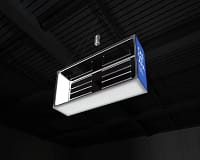
The size and configuration of your WaveLight® Casonara Lightbox should be guided by your objectives and viewing distance. Larger formats work best for brand storytelling and bold hero imagery, while smaller footprints are ideal for directional signage or product features. When planning custom lightbox designs, think in terms of modular sections that can be reconfigured across different events and locations. This approach maximises return on investment while preserving visual consistency. Decide whether your environment needs single-sided or double-sided backlit displays based on traffic flow and how people move through the space. For open islands or corridors, double-sided options significantly increase message exposure. Always measure ceiling height, available floor area, and any nearby obstructions to avoid scale issues once installed.
- Match display height to average eye level for optimal readability and impact.
- Use wider formats in open spaces and narrower footprints in constrained aisles.
- Select double-sided backlit displays for island exhibits and central walkways.
- Plan configurations that can be repurposed across multiple campaigns and venues.
- Confirm access to power sources and cable routing before finalising the layout.
Designing Graphics for Maximum Impact with LED Backlighting
Compelling graphics are the heart of every WaveLight® Casonara Lightbox installation. Start with high-resolution imagery specifically prepared for large-format printing to avoid pixelation when illuminated. Prioritise bold, uncluttered visuals that communicate your message in seconds, as viewers often make decisions quickly in busy environments. Use brand colours with strong contrast and avoid overly dark or muddy tones that may lose detail when backlit. Keep headlines short, legible, and positioned in the primary viewing zone to maximise readability. Supporting copy should be minimal, focusing on clear benefits or calls to action instead of long descriptions. When leveraging edge-to-edge LED graphics, extend backgrounds and photographic elements to the trim to create a truly immersive effect. Test colour proofs where possible so that on-screen expectations match real-world illumination.
Installation, Maintenance, and Interactive Enhancements
One of the major advantages of WaveLight® systems is their efficient, tool-free lightbox assembly that reduces setup time and labour costs. Aluminium frames typically snap or slide together, while silicone-edged graphics insert cleanly into channels for a tight, wrinkle-free finish. Many models utilise fabric SEG lightbox frames that allow quick graphic changes between campaigns without replacing the entire structure. For teams on the road, a modular WaveLight lightbox can be packed compactly and transported from show to show with minimal effort. Regular maintenance is essential: wipe frames and fabric surfaces with appropriate cleaners, inspect LED strips for hot spots or dim areas, and check connections before each event. To further increase engagement, consider layering in interactive touchscreens, QR codes that link to digital content, or motion-activated media. These additions help transform static visuals into branded experiential environments that leave a lasting impression.
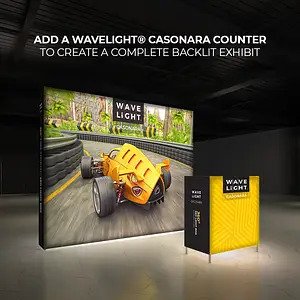
WaveLight® Casonara Lightbox solutions truly excel when integrated into broader experiential and event strategies. For trade shows, they pair effectively with portable illuminated backdrops to create cohesive, photo-worthy spaces that draw foot traffic. Many brands now design backlit trade show booths around a central lightbox feature wall, using smaller units for product categories or messaging zones. Retailers can use compact units for seasonal campaigns, while larger towers support wayfinding and highlight premium product launches. Where space allows, 360 backlit Exhibition Signage can envelop visitors in light and imagery, ideal for immersive showcases or product reveals. Double-sided configurations are especially powerful in open-plan venues where attendees approach from multiple directions. Over time, gather analytics from dwell time, lead capture, and feedback surveys to refine content and placement. By continuously optimising creative, layout, and technology, you ensure your illuminated displays remain fresh, relevant, and high-performing.
Conclusion: Maximising the Power of WaveLight® Casonara Lightbox
Creating stunning displays with WaveLight® Casonara Lightbox begins with thoughtful planning and ends with consistent optimisation. Choose strategic locations, match size and configuration to your goals, and design clean, high-impact graphics that take full advantage of LED backlighting. Leverage features such as fabric SEG lightbox frames and modular construction to streamline logistics and extend the life of each investment. Maintain your hardware and graphics carefully so every installation looks as sharp as the first. Above all, treat your lightbox as a dynamic brand touchpoint rather than static décor. When you combine strong visuals, smart interactivity, and data-driven refinement, your illuminated display solutions become a powerful engine for awareness, engagement, and conversion.
FAQ
Q1: What makes WaveLight® Casonara Lightbox different from a standard lightbox?
WaveLight® Casonara Lightbox systems use ultra-bright, evenly distributed LEDs and tension fabric graphics to create a smoother, more vibrant glow than many conventional units. Their slim profiles, modular construction, and tool-free assembly make them easier to transport and install, while edge-to-edge graphics maximise visual real estate.
Q2: Are WaveLight® Casonara Lightboxes suitable for small events or only large exhibitions?
They work well in both small and large settings. Smaller frames can serve as focal points at pop-up events or in-store promotions, while larger configurations and double-sided frames excel in big trade shows and conference environments. Because they are modular and reconfigurable, you can scale up or down as your event requirements change.
Q3: How often should I update the graphics on my lightbox displays?
The ideal update cycle depends on your campaign schedule, but many brands refresh graphics quarterly or in line with major product launches and seasonal promotions. Thanks to the ease of swapping fabric prints, you can update visuals frequently without replacing the underlying structure, keeping your displays current and on-brand.